01
AI Acceleration
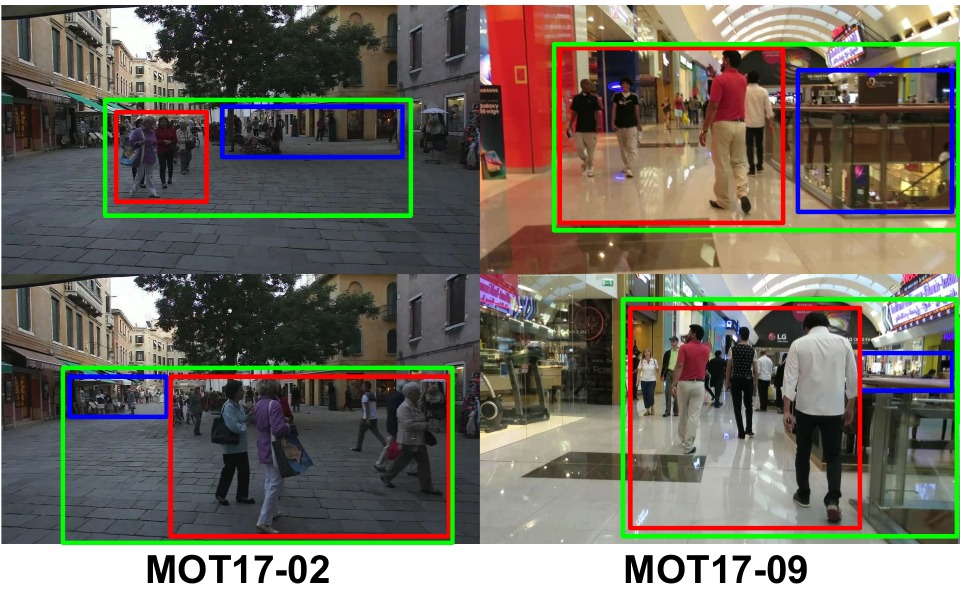
Divide neural network inference across processors while accounting for accuracy, latency, energy, and shared memory.
Research topicColorado School of Mines
We study how CPUs, GPUs, and specialized accelerators share work, memory, and energy.
Our group at Colorado School of Mines builds models and runtime systems for applications from neural network inference to autonomous robots.

High performance computing,
architecture and AI systems
Divide neural network inference across processors while accounting for accuracy, latency, energy, and shared memory.
Research topic
Predict resource contention and decide where applications should run across devices, edge servers, and cloud systems.
Research topic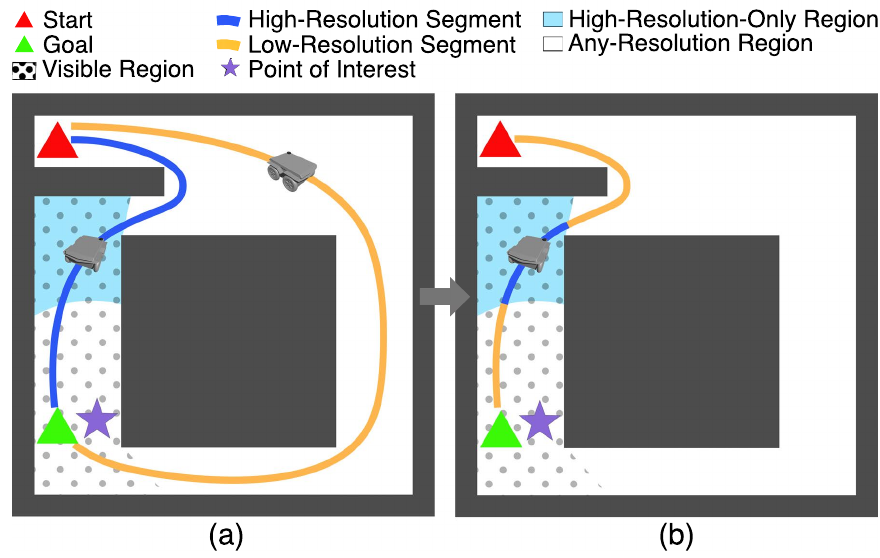
Plan robot motion and computational schedules together under timing, energy, and perception constraints.
Research topic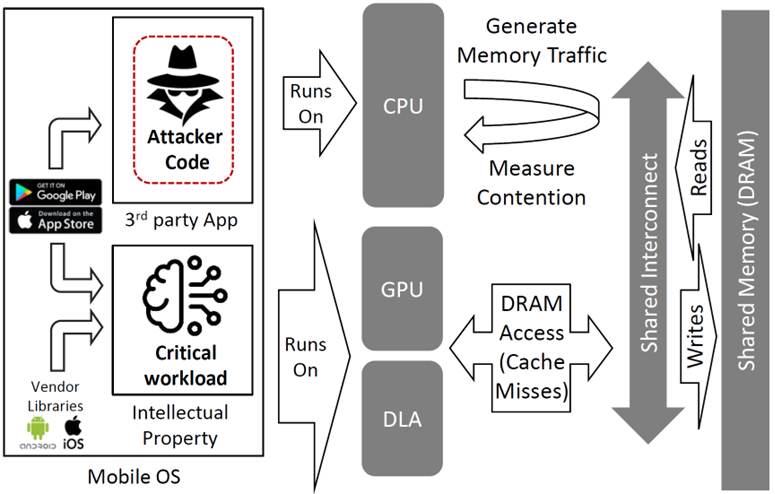
Study information leakage through shared memory and the memory bottlenecks of emerging processor architectures.
Research topic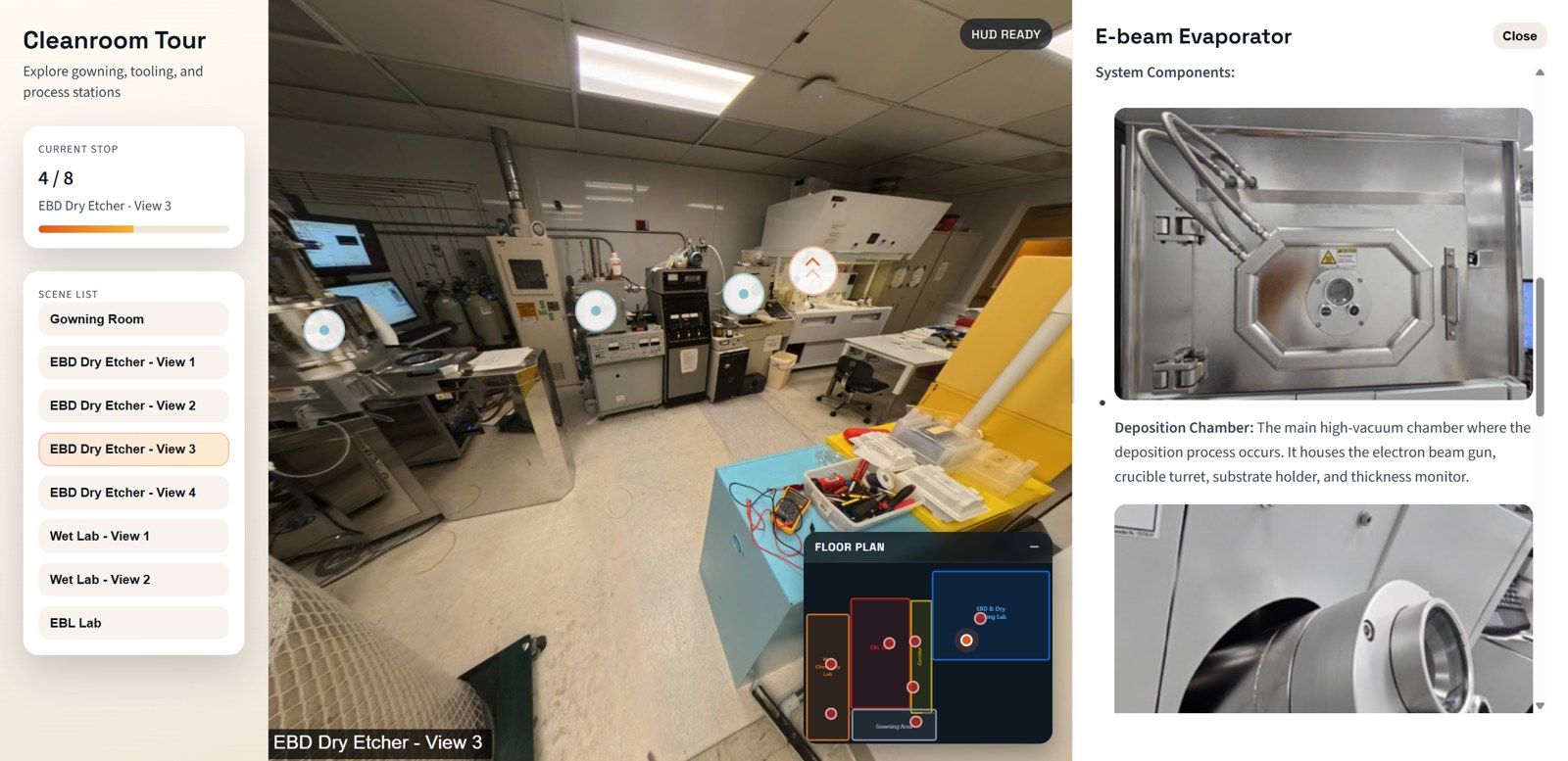
We develop tools that connect computer vision, interactive software, and semiconductor manufacturing education.
Interactive videos, 360° cleanroom tours, and augmented reality guidance for learning equipment and procedures.
Try the video demoA Mines certificate pathway that combines coursework, laboratory training, and a semiconductor industry capstone.
Certificate requirementsPartition and schedule continuous object detection across multiple accelerators.
Plan robot motion and computational schedules under shared physical resource limits.
Train models to perform spatially precise whiteboard operations with verifiable rewards.
Simulate hybrid superconducting compute systems and CMOS memory end to end.
For prospective students
We welcome research interest from Ph.D., master’s, and undergraduate students. Explore a project, read a paper, and tell us what you would like to investigate.
Research with usLed by Mehmet E. Belviranli, Associate Professor of Computer Science.
July 2026
NNME Southwest supports the Mines semiconductor education effort. See the CoRtEx certificate and project.
July 2026
DRIFT, on multi-accelerator object detection, is accepted at ICCAD 2026.
June 2026
Computing is Physical, on joint robot motion planning and computational scheduling, is accepted at IROS 2026.
April 2026
Mehmet Belviranli is promoted to Associate Professor with tenure.